
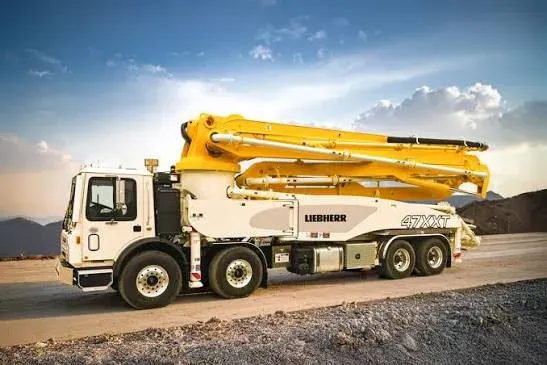
If a concrete pump boom contacts an overhead power line during a pour, general liability is the line built to answer the third-party harm that follows. A boom pump truck places concrete through a long, articulated steel arm, and that arm is conductive; swinging it into position near an overhead line is the single most distinctive — and most severe — exposure a pumping contractor carries. When contact injures a spotter, a finisher, or a bystander, or damages property that is not yours, that is a third-party bodily-injury and property-damage loss, and general liability responds to it.
This post explains why the power-line exposure belongs to pumping specifically, what general liability actually answers, which form the coverage lives in, and where general liability stops and commercial auto begins — because the truck that carries the boom is a separate line. The severity here is real and it is described plainly, without fabricated numbers, because the exposure does not need them to be understood.
Why the power-line exposure belongs to pumping
Almost every trade on a job site carries some third-party risk. What sets a concrete pumping contractor apart is the boom. A boom pump truck exists to reach concrete up, over, and into places a chute cannot, and it does that with a tall, articulated arm that has to be positioned in the air over the pour. When there is an overhead line anywhere near that airspace, the boom and the line share the same sky, and a contact becomes possible in a way it simply is not for a crew working at grade.
That is the exposure that defines pumping risk. It is not an everyday event, but it is a known catastrophic hazard, and it is why the pumping side of the trade carries a signature exposure the flatwork side does not. The boom is the tool that makes the work possible and the thing that makes this exposure unique — and general liability is the coverage that stands behind the harm a contact can cause.
What general liability actually responds to
General liability is the line that answers for the people and property around your work — not your own crew, and not your own trucks, but everyone else who can be hurt or have something damaged because of what your operation does. A power-line contact is squarely inside that definition: it injures third parties and damages third-party property. So general liability responds to the third-party bodily injury and property damage a contact causes, and to the legal defense that comes with the claim.
The framing that matters is that this is harm the work causes. The boom is doing the work — placing concrete — and in doing it, it acts on the world around it. General liability is built for exactly that: the harm your operation causes to others. It is the same line that answers for the completed installation you leave behind, and reading how the whole line fits together is worth doing on the full general liability page.
Which form the coverage lives in
Most general liability policies start from the standard ISO commercial general liability coverage form — typically the occurrence-based version known as CG 00 01. That form responds to third-party bodily injury and property damage arising out of your operation, which is where a power-line contact on a pour lands, because the harm falls on people and property that are not yours.
Naming the form is worth doing because it hands you a check to run: confirm the coverage is present and read how the policy is written. Some policies can narrow coverage with conditions or exclusions, and editions vary by carrier, so read the form your policy actually uses rather than assume — before a loss, not during one. Coverage always depends on the specific policy and its endorsements. The point of naming the form is so you can check it.
The severity is real — and stated without numbers
A boom is a conductive steel arm, and contact with an overhead line can energize the boom, the truck, and the ground around it. The result is among the most serious in all of construction: severe, frequently fatal bodily injury to the pump operator, the spotters and finishers on the pour, and bystanders, along with property damage. That is the honest ceiling of how this exposure is described.
We describe it plainly and without statistics, because it does not need them. The point is the character of the loss — catastrophic, often fatal, and falling on people who are not your employees — not a fabricated count or figure. General liability is the line built to respond to that third-party harm, and understanding the severity is what makes carrying the right coverage a deliberate decision rather than an assumption.
Real-World Scenario: A pumping crew sets up on a tight residential-street pour with an overhead line running along the frontage. During placement the boom is swung to reach the back of the site, and it comes too close to the line. A finisher near the truck is seriously hurt, and a parked third-party vehicle is damaged. The crew did the work they were hired to do — but the harm fell on a person and property that were not theirs. This is the power-line exposure in its natural form: the boom, the line, and third-party harm. General liability is the line built to answer that harm, while the injuries to the contractor’s own crew run through a separate line.
Prevention sits alongside the coverage, not in place of it
The power-line exposure has a strong prevention side, and it matters — but it does not replace the coverage. Maintaining clearance from overhead lines, using trained spotters, treating every line as energized, and following the placement practices the work demands all reduce the chance of a contact. A disciplined operator has fewer near-misses and fewer losses. That is real, and it is worth every bit of attention it gets.
But prevention and coverage do different jobs. The practices lower the odds; general liability is what responds when a third party is nonetheless hurt. A single boom movement near a line can become the most serious loss in the trade, and no amount of care removes the exposure entirely. The safe operator still carries the coverage — the two work together, and neither substitutes for the other.
Where general liability stops: the truck is commercial auto
The cleanest way to keep this straight is to see what general liability is not. General liability answers the harm the work causes — the third-party bodily injury and property damage from a boom contact. It does not cover the truck. The boom pump truck as a high-value asset, its physical damage if it is wrecked or stolen, and its auto liability on the road and maneuvering on site are all covered under commercial auto, a separate line.
That split is honest and it is sharp: the power-line bodily injury the boom causes is general liability; the vehicle that carries the boom is commercial auto. A related seam runs to your own people — injuries to your crew from a contact go through workers compensation, the line built for employee injury, not general liability. A single serious event can touch more than one policy, which is exactly why the way these lines fit together is worth reading before a loss. The distinction between the work and the vehicles is the brand’s defining discipline, and it is worth its own read: see general liability versus commercial auto for concrete.
Getting the coverage built around the pour
For a pumping contractor, the power-line exposure is not a footnote — it is the signature catastrophic risk of the trade, and general liability is the line that answers the third-party harm it causes. Make sure the coverage is present and read how the form is written; keep the prevention practices that lower the odds; and keep the seam to commercial auto clean so the truck is covered where it belongs. Where a serious loss could run past a primary limit, an umbrella sits above the primary policy and adds limit over it.
When you are ready, start a quote and tell us how your booms run, read the full general liability page to see how the whole line fits together, or browse the coverage overview to see where each line sits. For the coverage that answers the installed work you leave behind, see what completed operations is. Coverage that is confirmed before a loss is worth far more than coverage you assumed you had.