

Cost Guides

Ready-Mix Insurance Cost in Colorado

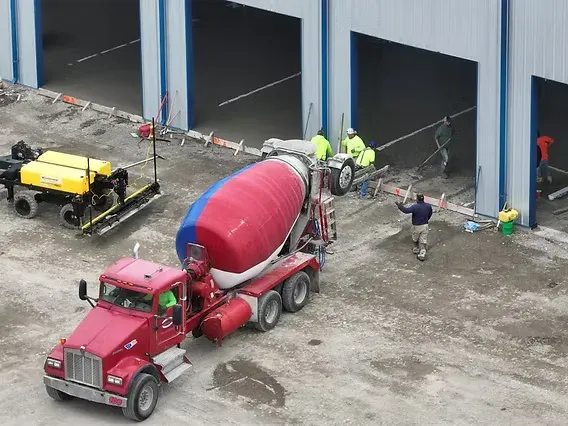
A ready-mix mixer discharging concrete into a warehouse slab pour beside a laser screed — ready-mix concrete insurance

There is no published price for ready-mix insurance in Colorado, and any number quoted before an underwriter has looked at your fleet is a guess. A carrier builds the cost from your specific operation — and for a mixer producer that cost is led by a fleet of trucks regulated as a motor carrier. Colorado is the outlier in the Mountain West, because its delivery challenge is not empty distance but congestion and grade. This guide walks the drivers that decide what a Colorado ready-mix producer actually pays.

Two pressures define the state’s delivery geography. The dense Front Range corridor from Fort Collins through Denver to Colorado Springs stacks I-25 traffic against every load, while runs up to the mountain resort towns add steep grades and high-altitude climbs. Both eat the delivery window — and both press straight onto the fleet driver that leads this model.

Front Range traffic, mountain grades, and the delivery window

Ready-mixed concrete has a workability window — the industry references the ASTM C94 standard — and in Colorado two very different pressures squeeze it. Along the I-25 Front Range, urban congestion through Denver, Boulder, Fort Collins, and Colorado Springs can consume much of the usable window before a truck reaches the pour. Head into the Rockies and the problem inverts: mountain-resort delivery brings steep grades and high-altitude climbs that eat into the schedule, and a loaded drum on a long descent is a demanding thing to control. An open-highway plains haul would burn neither the way these routes do. The insurance consequence is the driving this forces — grade and gridlock with a heavy shifting load raise the load-shift and rollover exposure that sits on commercial auto, and a carrier reads your routes, dispatch discipline, and rollover record when it prices it.

The mixer fleet — your leading cost driver

For a ready-mix producer the fleet is the operation, and Colorado’s mixers work both congested cities and demanding mountain roads. Commercial auto covers the fleet’s liability and physical damage, and it is the dominant line for this model — the way general liability leads for a flatwork crew and a single boom truck leads for a pumper. The cost scales with the number of trucks, their value, the miles they run, and the records of the drivers behind the wheel. Because Colorado’s routes are hard — traffic on one end, grade on the other — the exposure rides the road, and scheduling the fleet to honest values is where this driver is managed.

What builds a Colorado ready-mix operation’s insurance cost — the fleet-led driver stack A highlighted lead band at the top — the mixer fleet on commercial auto — feeds two boxes: the motor-carrier and DOT profile, and the driver records and fleet size. Those feed a stack of supporting driver boxes: load-shift and rollover on delivery; the driver payroll on workers compensation; and coverage limits and umbrella. Every driver feeds a bottom box labeled the premium a carrier builds from the fleet. No figures are shown — each driver is weighed against the specific operation, not applied as a fixed surcharge. What builds your ready-mix insurance cost The mixer fleet on commercial auto Motor-carrier and DOT profile Driver records and fleet size Load-shift and rollover on delivery Driver payroll (workers comp) Coverage limits and umbrella The premium a carrier builds from the fleet
The ready-mix cost picture is led by the mixer fleet on commercial auto and the motor-carrier profile it carries — with drivers, delivery risk, and coverage feeding the premium.

The motor-carrier and DOT profile — with a Colorado twist

A mixer fleet is a regulated motor carrier, and Colorado carries a distinctive rule. A fleet that crosses state lines operates under the Federal Motor Carrier Safety Administration and the U.S. Department of Transportation with a USDOT number, and a for-hire interstate carrier carries the MCS-90 endorsement, which guarantees a public settlement up to the applicable federal minimum. What sets Colorado apart is that, under recent state law, an in-state commercial vehicle over the heavy-truck threshold must now carry a USDOT number even for purely intrastate operation — with registration handled through the county Motor Vehicle Office under the Colorado Department of Revenue and oversight from the Colorado Public Utilities Commission. So a Colorado mixer fleet carries a federal identifier whether or not it ever leaves the state. Your FMCSA safety scores, USDOT standing, and driver qualification records are inputs a carrier reads closely, and this axis is central to what the ready-mix cost is built from. For the full Colorado market and regulatory picture behind these drivers, see the Colorado ready-mix insurance page.

Real-World Scenario: A for-hire producer runs interstate loads out of a Front Range plant under its USDOT number and the MCS-90 endorsement, while a second operator keeps its trucks inside Colorado — yet still carries a USDOT number under the state’s intrastate rule — climbing grades to a mountain resort build. Both run mixers, but the underwriter reads them differently: the interstate carrier’s federal profile and the intrastate fleet’s high-altitude routes each price on their own terms. Same ready-mix class, but the motor-carrier picture, not the concrete, is what a carrier is really pricing.

Drivers, hiring, and the comp line

Because commercial auto leads, the people driving the trucks are a direct cost input. Motor-vehicle records, experience, and driver qualification files feed how a carrier prices the fleet, and disciplined hiring is one of the strongest levers a Colorado producer has — especially where mountain grades put a premium on experienced drivers. Colorado runs a competitive workers compensation market, so comp is placed with a private carrier and structured to your real crews and payroll classifications. For ready-mix that comp line sits behind commercial auto in the cost picture rather than leading it, which is what separates it from a flatwork crew’s cost story.

Licensing and the coverage choices that move your premium

Colorado has no statewide concrete-contractor license — under home rule, general-contractor licensing is handled locally by cities and counties, so the gate is local permitting and the contract rather than a state credential. That sits beside the ready-mix cost rather than driving it. What you buy, though, is a driver: the limits your customers require push a producer toward an umbrella over the auto exposure, and whether you carry general liability at contract limits and schedule the fleet and plant property to real value all feed the number — which matters when a single fleet loss on a grade or in traffic can run high.

How to get an accurate Colorado quote

A Colorado number turns real when the operation is spelled out. Give a broker the fleet size and truck values, your USDOT profile, the driver records, how the routing splits between I-25 traffic and high-altitude mountain grade, your loss history, and the limits your contracts require — and a carrier that understands a regulated mixer fleet can price it. Start a quote with the fleet and the routes, or read the full coverage overview to see how the lines connect. For how ready-mix diverges from the other concrete models, see the concrete insurance cost pillar; the Colorado Division of Insurance holds the state’s filings. The number you arrive at will reflect your business — the only one worth having.

The bottom line

There is no published price for Colorado ready-mix insurance, because a carrier builds it from your specific fleet. For a mixer operation here the cost is led by the trucks on commercial auto and the motor-carrier profile that comes with them — and Colorado’s challenge is congestion and grade rather than empty distance: I-25 Front Range traffic and high-altitude mountain climbs both burn the delivery window. Under recent state law a Colorado mixer carries a USDOT number even for intrastate work. Describe the fleet, the routes, and the coverage limits your contracts require, and the quote follows.

Frequently asked questions

How much does ready-mix insurance cost in Colorado?

There is no honest single number, because a mixer operation’s premium is built from the operation, not a rate card. The leading factors are the size and value of your fleet on commercial auto, your USDOT and motor-carrier profile, your driver records, the load-shift and rollover exposure on delivery, your drivers’ payroll on workers compensation, your claims history, and the coverage limits your contracts require. A Front Range city fleet and one climbing to mountain resorts look different to an underwriter. Start a quote and we price your real trucks and routes rather than quote a guess.

Why can’t you give me a ready-mix insurance price online?

Because an honest price needs your real fleet, and a number posted before an underwriter reads it is a guess. A fleet fighting I-25 congestion and one grinding up high-altitude grades to a resort town carry very different exposures, so a carrier prices them apart. Posting an average would only mislead. What we can do is explain the drivers that decide the cost — the fleet, the DOT profile, the traffic-and-grade routes — and then market your real operation to carriers that understand a regulated Colorado mixer fleet.

Does Colorado’s terrain and traffic really change my ready-mix cost?

It shapes the delivery risk a carrier weighs. Ready-mixed concrete has a workability window the industry references through ASTM C94, and in Colorado both urban gridlock along the I-25 Front Range and steep, high-altitude mountain climbs burn that window in ways an open plains haul would not. The insurance consequence is the driving this forces — grade descents and stop-and-go traffic with a heavy drum raise the load-shift and rollover exposure that sits on commercial auto. A carrier reads your routes, dispatch discipline, and rollover record when it prices it.

Why is commercial auto the dominant driver for a Colorado mixer fleet?

Because the fleet is the operation, and the mixer trucks are on the road constantly — in dense city traffic and on mountain grades. Commercial auto covers the fleet’s liability and physical damage, and it scales with the number of trucks, their value, the miles they run, and the records of the drivers behind the wheel. On Colorado’s congested and mountainous routes the exposure concentrates on the road, which is exactly where commercial auto responds, so it leads the cost the way general liability leads for a flatwork crew.

How do DOT and FMCSA rules affect my Colorado ready-mix cost?

They set the regulatory profile a carrier reads. A mixer fleet is a motor carrier: a fleet crossing state lines operates under the Federal Motor Carrier Safety Administration with a USDOT number, and a for-hire interstate carrier carries the MCS-90 endorsement, which guarantees a public settlement up to the applicable federal minimum. Under recent state law a Colorado in-state commercial vehicle over the heavy-truck threshold must carry a USDOT number even for intrastate operation, with registration through the county Motor Vehicle Office under the Department of Revenue and oversight from the Colorado Public Utilities Commission. Your safety scores and driver records are real inputs a carrier weighs.

How can I lower my Colorado ready-mix insurance cost?

The durable levers are operational. A clean claims history, strong FMCSA safety scores, a well-kept USDOT profile, disciplined driver qualification and hiring, telematics and load-securement that lower rollover exposure on grades and in traffic, scheduling the fleet to real value, and matching coverage limits to the contracts you run all help a carrier price you accurately. We market your operation to carriers with genuine motor-carrier and ready-mix appetite rather than sending one generic submission everywhere.

About the author

Nate Jones, CPCU

Nate Jones, CPCU, is the founder of Wexford Insurance and Concrete Guard Insurance, a specialty insurance agency placing concrete contractor coverage in 48 states across a 23-carrier specialty panel. He places ready-mix operations across Colorado — the fleets feeding the dense Fort Collins-to-Colorado Springs Front Range corridor and the plants delivering up into the high-altitude mountain resort towns — and weights each program toward the commercial-auto exposure of a regulated motor carrier that now carries a USDOT number even intrastate, the driver and DOT profile a carrier reads, and the traffic-and-grade delivery risk that decides what a mixer producer actually pays. Connect via the Concrete Guard Insurance quote form or call 317-942-0549.

Insure your concrete operation with a CPCU-led agency

Tell us how you work — an install crew, a pump truck, a ready-mix fleet, or all three — and we will market it to carriers that write the class.